

Table of contents
Navigating the peak holiday travel season often feels like stepping into a chaotic maze of soaring airfares, overcrowded terminal gates, and sold-out hotel rooms. While modern travelers rely heavily on AI price-trackers, algorithms, and automated booking apps, some of the most reliable methods for securing a smooth, affordable, and stress-free vacation come from time-tested strategies developed decades ago. Long before the era of smartphones and instant notifications, seasoned globetrotters, travel agents, and veteran airline employees relied on clever hacks and psychological insights to bypass common travel hurdles.
Rediscovering these forgotten techniques provides a massive edge in today’s unpredictable travel landscape. By combining classic vintage travel wisdom with modern execution, you can save significant amounts of money, protect your peace of mind, and elevate your entire holiday itinerary.
1. The Lost Art of Off-Peak Timing and Hidden Schedules
Modern holiday travel demand operates on predictable digital algorithms. When millions of people search for flights on the exact same dates, prices skyrocket dynamically. Decades ago, travel experts bypassed these price surges by mastering the art of off-peak scheduling and understanding non-traditional travel patterns.
A. Flying on the Unpopular Holiday Days
Most holiday travelers insist on arriving at their destination the day before a major celebration and returning the Sunday immediately following. Classic travel wisdom dictates doing the exact opposite. Booking your departure flight directly on the holiday morning—such as Thanksgiving morning, Christmas Day, or New Year’s Eve night—yields significantly lower fares and nearly empty airports. Airlines frequently clear out extra seats on these runs, allowing you to fly comfortably without the usual crowd density.
B. The Secret “Shoulder Hours” of Air Travel
Long before flight aggregation websites existed, travel agents knew that the earliest flight of the day (the “crack-of-dawn” departure between 5:00 AM and 6:00 AM) and late-night “red-eye” flights possessed the lowest cancellation rates. Aircraft used for first-leg morning flights are already parked at the gate from the night before, making them immune to incoming domino-effect delays.
C. Leveraging Mid-Week Layover Extensions
An old-school trick for long-distance holiday international travel is to intentionally build an extended stopover in a secondary hub city. Instead of paying a premium for direct peak-holiday flights, veteran travelers booked multi-leg journeys with a 24-to-48-hour pause in a mid-route destination. This often dropped the total ticket price while essentially adding a second mini-vacation to the itinerary.
2. Masterful Accommodation Tactics Beyond Modern Booking Engines
Online booking platforms often show limited inventory or inflated seasonal rates due to platform commission fees. Returning to classic direct-negotiation methods can unlock hidden rooms and lower rates that internet algorithms hide.
+-------------------------------------------------------------------------+
|                  OLD-SCHOOL HOTEL BOOKING STRATEGY                      |
+-------------------------------------------------------------------------+
|  Step 1: Use online engines for price research only.                    |
|  Step 2: Call the hotel front desk directly (local number, not 1-800).  |
|  Step 3: Inquire about unlisted room tiers or manager discounts.        |
|  Step 4: Request complimentary upgrades based on non-commission direct  |
|          booking savings.                                               |
+-------------------------------------------------------------------------+
A. Calling the Desk Directly at Specific Hours
Instead of booking through third-party platforms or central toll-free reservation call centers, call the local hotel property directly. The optimal window to call is between 4:00 PM and 6:00 PM local time. By this period, early cancellations for the day are fully processed, and front desk managers have complete visibility over unsold inventory. Politely asking for the “in-house manager’s rate” often unlocks lower prices or complimentary room upgrades.
B. Targeting Business Hotels During Leisure Holidays
During major holiday periods like Christmas, Thanksgiving, or Easter, corporate financial districts around the globe empty out entirely. Top-tier luxury hotels designed primarily for business travelers experience high vacancy rates during non-working holiday weeks. Booking luxury accommodations in commercial districts during public holidays routinely costs a fraction of the price charged by resort properties.
C. Utilizing the “Soft Opening” and Refurbishment Loophole
Travelers in the past kept track of local tourism news to spot newly opened hotels or properties undergoing minor cosmetic renovations. Soft openings frequently feature introductory rates up to 50% lower than standard seasonal pricing. Asking the front desk if any recent room upgrades are available can land you high-end rooms at basic rates.
3. Physical Packing Hacks from the Golden Age of Travel
Overpacking is one of the quickest ways to incur unexpected costs and travel stress. Before airlines started charging premium fees for checked luggage, vintage travelers perfected high-density packing techniques to ensure mobility and protection.
       +------------------------------------------------------------+
       |               VINTAGE PACKING ARCHITECTURE                 |
       +------------------------------------------------------------+
       |  [ Heavy Items / Shoes ] -----> Bottom near wheels         |
       |  [ Rolled Soft Garments ] ----> Middle compression layer   |
       |  [ Delicate Outerwear ] ------> Top folded layer           |
       |  [ Fragile / Valuables ] -----> Central core padding       |
       +------------------------------------------------------------+
A. The Classic Bundle-Wrapping and Rolling Hybrid
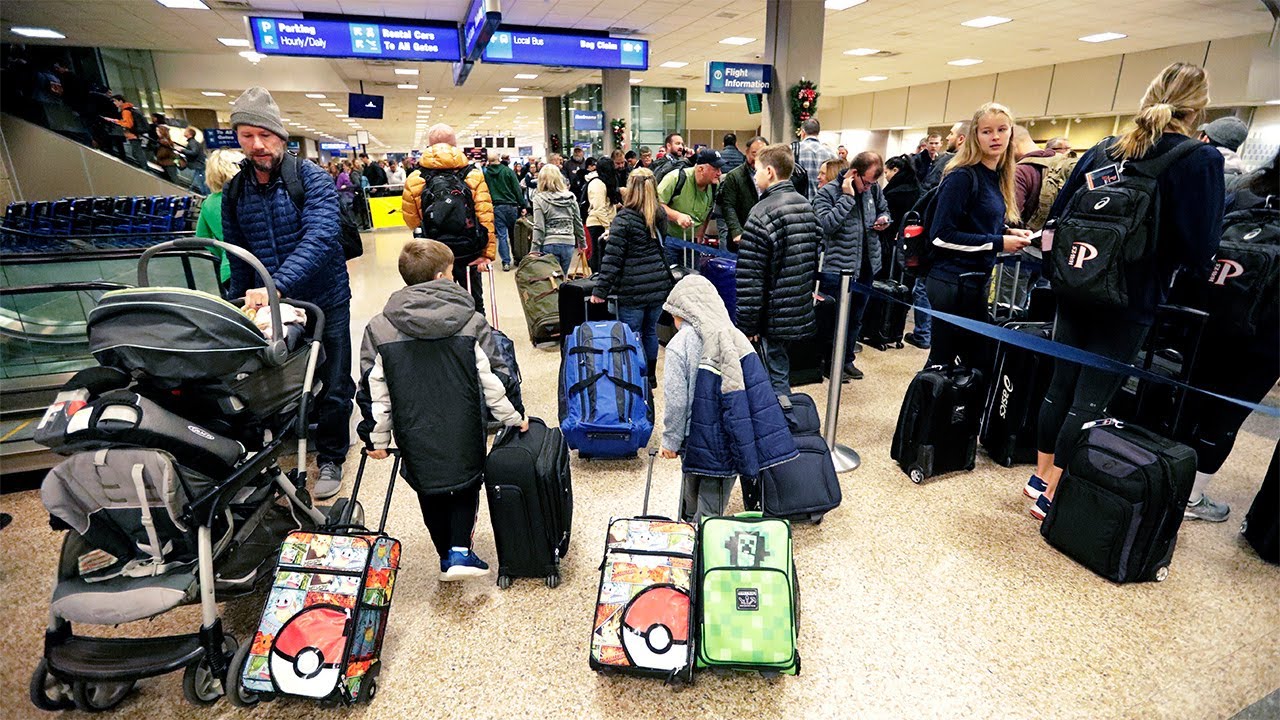
Rather than folding garments into square stacks, seasoned travelers used a combination of tight rolling and bundle wrapping. Rolling soft garments like t-shirts, jeans, and casual wear prevents deep creasing while eliminating dead air space inside the suitcase. Delicate items like blazers or dresses are then wrapped around the core bundle, creating a cushioned structure that minimizes wrinkles.
B. The Tissue Paper Armor Technique
A classic secret used by high-society travelers for delicate fabrics (such as silk, linen, and structured wool) is placing sheets of acid-free tissue paper between garment folds. The paper allows the fabric layers to slide against each other smoothy during transit rather than rubbing together, eliminating friction-induced creases entirely.
C. Heavy-Item Weight Distribution
To make luggage effortless to haul across cobblestone streets, train stations, or airport terminals, place your heaviest items—such as boots, shoes, toiletry bags, and heavy coats—at the very bottom of the suitcase near the wheels. This lowers the center of gravity, preventing the suitcase from tipping over and reducing wrist strain.
4. Financial Safeguards and Cash Management Secrets
Relying exclusively on digital payment systems, credit card apps, or foreign currency exchange kiosks at airports can bleed your holiday budget dry through hidden conversion fees and transaction surcharges.
A. The Split-Currency Stash Protocol
Long before electronic banking, experienced travelers never kept all their financial assets in one wallet or bag. The golden rule was the three-way split:
- A primary payment method in your wallet for daily expenses.
- A secondary backup card hidden inside a inner compartment of your main carry-on.
- Emergency local cash stored safely inside your hotel room safe or hidden money belt.
B. Bypassing Airport Exchange Counters
Airport currency kiosks offer some of the worst exchange rates available due to high overhead costs and hidden service margins. Old-school travelers always obtained a small amount of local currency from their home bank branch before departure or utilized local bank automated teller machines (ATMs) upon arrival in the destination city to get official interbank rates.
C. Paper Documentation Redundancy
While modern travel relies heavily on smartphone apps for boarding passes and hotel confirmations, digital devices can run out of battery, lose cellular signal, or break. Carrying physical paper copies of your passport, travel insurance, reservation confirmations, and essential emergency contacts tucked inside a waterproof sleeve ensures you are never stranded by a tech glitch.
5. Old-World Health, Comfort, and Jet Lag Management
Long-distance international travel physically taxes the human body. Decades before wellness apps and specialized supplements were marketed to tourists, frequent flyers used simple, natural methods to maintain energy and bypass jet lag.
A. The 24-Hour Pre-Flight Hydration and Fasting Routine
Cabin air inside commercial aircraft is notoriously dry, often maintaining humidity levels lower than typical desert environments. Veteran flyers avoided heavy, salty airline meals and alcohol during transit, opting instead for continuous water intake and light meals. Fasting during flight hours and consuming a well-balanced meal aligned with the local destination’s mealtime helps reset your internal circadian clock rapidly.
B. Grounding and Natural Sunlight Synchronization
To overcome severe jet lag within 48 hours of arriving in a new time zone, skip afternoon naps in dark hotel rooms. Instead, head outdoors immediately to get direct natural sunlight exposure. Sunlight naturally suppresses melatonin production, forcing your body to adapt to local time zones much faster than artificial light inside buildings.
C. Vintage Acupressure for Motion Sickness
Before pharmaceutical remedies became ubiquitous, travelers relied on targeting the P6 (Neiguan) acupressure point located on the inner forearm to prevent motion sickness during rough flights, sea voyages, or winding mountain drives. Applying firm, steady pressure to this point for several minutes eases nausea without causing drowsiness.
6. Navigating Overcrowded Terminals and Stations
When peak holiday travel crushes transit hubs with record-breaking passenger volumes, knowing how to navigate physical environments efficiently can save hours of standing in line.
A. The Left-Hand Turn Bias at Security Checkpoints
Human psychology research shows that because the majority of the population is right-handed, people naturally tend to drift toward the right side when choosing line queues at airport security, toll booths, and entry gates. Veteran travelers automatically head toward the leftmost lanes, which almost always move faster due to lower foot traffic.
B. The Alternate Customer Service Phone Line Hack
When a flight gets canceled or severely delayed, hundreds of passengers rush to line up at the airport gate customer service desk. Instead of standing in a long line, pull out your phone immediately and dial the airline’s international customer service line (such as the UK, Canadian, or Australian support numbers). These overseas call centers typically have zero wait time and can rebook your flight long before you reach the front of the physical airport line.
C. Strategic Gate Lounging Away from Departure Points
Crowded departure gates are loud, stressful, and lack adequate seating or charging outlets. An old airline employee trick is to check the airport flight board for adjacent gates that are currently inactive or assigned to flights departing hours later. Resting in these quiet nearby zones allows you to relax peacefully while keeping a clear view of your actual gate.
7. Insider Strategies for Holiday Dining and Local Experiences
Finding authentic dining and genuine cultural experiences during high tourist seasons requires stepping away from commercial travel guides and promoted review platforms.
A. The Two-Block Rule for Authentic Dining
Restaurants situated directly across from major tourist attractions, historic plazas, or primary train stations almost always overcharge while offering subpar food quality. Practicing the classic “two-block rule” walking at least two to three blocks away from primary tourist centers leads you directly to family-owned establishments where locals actually eat, offering superior food at realistic prices.
B. Consulting Concierge Services for Off-Menu Tips
Instead of relying on aggregated online review apps that can be manipulated by paid marketing, talk directly to hotel concierges, bellhops, or local neighborhood shopkeepers. Asking specific questions like, “Where do you personally go to eat with your family on weekends?” yields far more authentic recommendations than asking for general tourist spots.
C. Visiting Cultural Landmarks at Reverse Hours
Major historical sites, museums, and popular landmarks experience peak crowding between 10:00 AM and 3:00 PM. To experience these attractions peacefully, plan your visit during “reverse hours” either right as the doors open in the morning or during the final two hours before closing time when tour buses have departed.

8. Summary Checklist for Stress-Free Holiday Travel
To ensure you execute these classic travel techniques effortlessly on your next journey, keep this essential strategy checklist handy during your planning phase.
A. Pre-Trip Booking Phase
- Reserve flights on actual holiday dates or during crack-of-dawn morning departure slots.
- Look for luxury business hotels in commercial districts for steep holiday discounts.
- Call hotel front desks directly late in the afternoon to negotiate rates.
B. Packing & Preparation Phase
- Combine garment rolling with outer bundle-wrapping for maximum suitcase space.
- Place tissue paper inside delicate clothing folds to prevent fabric creasing.
- Store heavy shoes and toiletry bags at the base of your luggage.
- Print physical backup copies of key travel documents, itineraries, and IDs.
C. Transit & Airport Phase
- Choose the leftmost security and check-in queues to bypass natural right-hand crowd bias.
- Call overseas airline customer service lines immediately if delays occur.
- Rest at empty, inactive neighboring gates instead of overcrowded departure areas.
D. Arrival & On-The-Ground Phase
- Expose yourself to direct outdoor natural sunlight immediately to reset your body clock.
- Walk at least two blocks away from tourist centers for authentic local dining options.
- Use local bank ATMs instead of high-commission airport currency exchange desks.
By integrating these timeless, old-school holiday travel tricks into your modern trip planning, you can effectively insulate yourself from common travel headaches, inflated costs, and unnecessary stress. Classic wisdom, combined with smart preparation, remains the ultimate recipe for an unforgettable holiday journey.