
Table of contents
A quiet revolution is reshaping how high-net-worth individuals explore the world. Gone are the days when luxury meant mere gold-trimmed suites and ostentatious displays of wealth. Today’s affluent globetrotters prioritize meaningful connection, complete privacy, transformative wellness, and deep environmental awareness. As the modern travel landscape continuously shifts, the demand for authentic, secluded, and hyper-personalized journeys has never been higher. Modern luxury holidays reflect a conscious lifestyle choice—where time, space, and peace of mind serve as the ultimate currencies.
A. The Rise of Quiet Luxury and Secluded Travel
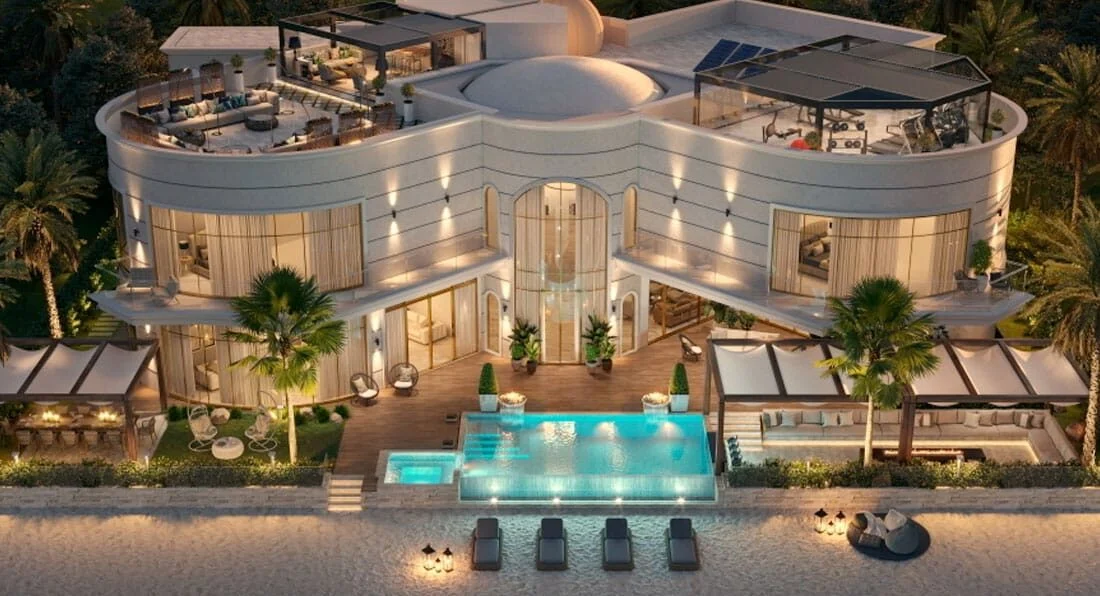
Privacy and discretion have superseded crowded iconic hotspots. Elite travelers increasingly seek isolated architectural masterpieces, private islands, and discreet villas tucked away in remote corners of the globe.
- Private Sanctuary Living: High-end vacationers opt for buyouts of exclusive estates rather than standard hotel suites.
- Hyper-Bespoke Service: Personal chefs, private concierges, and dedicated wellness practitioners deliver tailored experiences without intruding on guest privacy.
- Crowd-Free Exploration: Chartering private yachts and booking closed-door access to cultural landmarks allows travelers to enjoy world-class heritage without the noise of mass tourism.
This evolution in preferences emphasizes tranquility over crowd-pleasing grandeur. Experiencing a destination entirely on one’s own terms provides mental rest that standard five-star hospitality can rarely replicate.
B. Coolcationing: Swapping Heatwaves for Refreshing Climates
Escaping soaring temperatures has triggered a surge in “coolcationing”. Ultra-affluent tourists are shifting away from traditional Mediterranean beach hotspots in July and August, preferring crisp mountain air, arctic fjords, and temperate coastal regions.
- Nordic Wilderness Pursuits: Destinations such as the Finnish Lakeland, Norwegian fjords, and Swedish Lapland offer pristine lakes, clean architectural aesthetics, and unpolluted air.
- Alpine Elegance Outside Peak Seasons: Regions like the Dolomites in Italy or the Swiss Alps attract visitors year-round for high-altitude hiking, private mountain picnics, and world-class spa retreats.
- Cinematic Elemental Beauty: High-end travelers head north to Scotland’s Highlands, Iceland’s glacial landscapes, and Patagonia for dramatic scenery coupled with serene luxury lodges.
The appeal of coolcationing extends far beyond temperature comfort. It is rooted in stunning, untouched landscapes where wide-open space offers genuine restoration.
C. Cognitive Wellness and Longevity Focused Escapes
Standard spa treatments with ambient music and basic massages are no longer enough for the discerning wellness seeker. Today’s luxury wellness retreats combine modern medical science, biohacking, and ancient holistic remedies to optimize physical and mental health.
- Sleep Optimization Protocols: Luxury properties incorporate soundproofing technology, circadian lighting, and personal sleep coaches to reset damaged sleep cycles.
- Longevity and Preventive Health Diagnostics: Guests undergo comprehensive metabolic testing, biological age assessments, and custom nutritional planning during their stay.
- Nervous System Resets: High-stress executives participate in silent retreats, sensory deprivation therapy, forest bathing, and guided breathwork to recover from burn-out.
By prioritizing cognitive health and physical longevity, these retreats transform holidays into long-term investments in personal well-being.
D. Regenerative and Eco-Conscious Travel
Luxury consumers now expect high sustainability standards as a baseline requirement. Modern high-end hospitality has evolved from simple green initiatives to full regenerative travel, actively improving ecosystems and communities.
- Conservation-Led Lodges: Ultra-luxury safari camps and wilderness retreats channel revenue directly into wildlife conservation, anti-poaching initiatives, and habitat restoration.
- Zero-Carbon Architecture: Exclusive resorts feature off-grid solar energy systems, hyper-local farm-to-table dining, and zero-waste operational models without compromising elegance.
- Community-Centric Engagement: High-end itineraries integrate authentic, equitable partnerships with local artisans, historians, and indigenous guides, preserving cultural heritage.
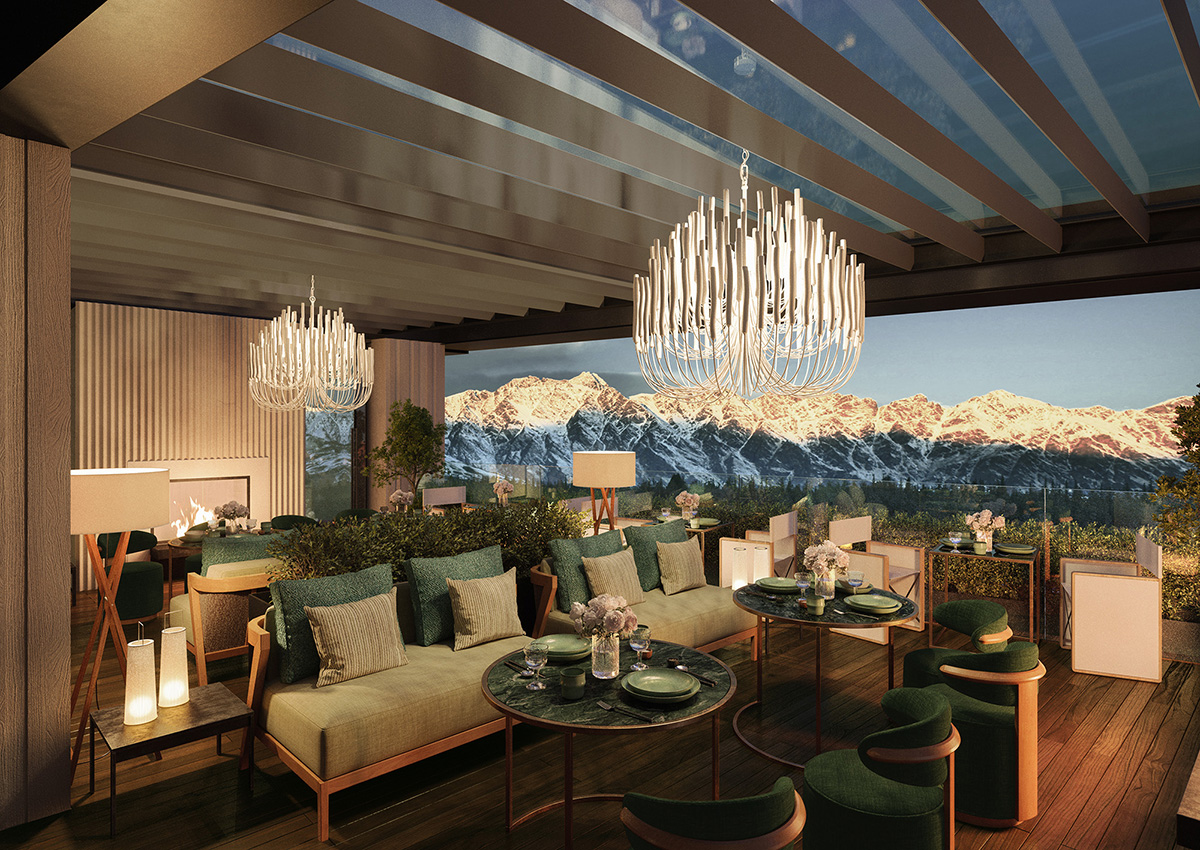
Regenerative travel ensures that wealthy explorers leave every destination in a better condition than they found it, aligning luxury with ethical responsibility.
E. Intimate Yacht Charters and Rail Journeys
Mass transportation even in premium commercial classes is being replaced by private, small-scale transport experiences. The journey itself has become a highlighted luxury destination.
- Bespoke Yachting: Rather than booking large cruise ships, travelers charter private luxury yachts or book ultra-exclusive small vessels with fewer than 100 passengers for customized island-hopping.
- Slow Travel Rail Journeys: Restored heritage trains and luxury sleeper rail services offer nostalgic romance combined with gourmet dining and panoramic views.
- Private Aviation Flexibility: Direct point-to-point private jet charters save precious hours while avoiding crowded air terminals, guaranteeing maximum convenience.
Slow, deliberate travel methods allow guests to slow down, savor changing landscapes, and appreciate the lost art of unhurried movement.
F. Heritage Tourism and Deep Cultural Immersion
Affluent travelers are moving away from superficial sight-seeing tours. The current priority is genuine cultural depth, rare historical access, and story-driven adventures.
- Private After-Hours Access: Exclusive entry to world-class museums, private historical estates, and sacred temples after public operating hours.
- Artisanal Mentorship: Hands-on workshops led by master craftspeople, Michelin-starred chefs, or renowned historians.
- Indigenous Storytelling: Guided expeditions into remote heritage landscapes, offering deep insight into local traditions, languages, and philosophies.
Immersion into authentic local cultures offers a lasting emotional reward, shifting travel from passive observation to active personal enrichment.
G. High-Performance Sportcations and Adventure
Active luxury travel, often referred to as “sportcations,” appeals to energetic travelers who prefer athletic challenges paired with world-class comfort.
- Elite Sports Events: Tailored packages built around global sporting events, including access to private viewing suites, paddock passes, and athlete meet-and-greets.
- Heliskiing and Alpine Expeditions: Deep-powder backcountry skiing guided by certified alpine experts, complemented by slope-side chalets featuring private spas.
- Endurance and Outdoor Training: Multi-sport wilderness treks, high-altitude trail running, and open-water swimming retreats led by professional trainers.
Combining rigorous outdoor pursuits with top-tier recovery amenities caters to wellness-focused travelers seeking physical accomplishment alongside relaxation.
H. Home-Based Luxury and Residential Hospitality
A growing segment of affluent travelers prefers high-end holiday homes, serviced luxury apartments, and private compounds over traditional hotel properties.
- Neighborhood Integration: Staying in high-end residential quarters allows guests to live like refined locals, frequenting neighborhood markets and cafes.
- Unmatched Space and Layouts: Spacious villas provide open family living spaces, private pools, fully equipped professional kitchens, and personal grounds.
- Seamless In-Home Services: Private chefs, daily housekeeping teams, on-demand spa therapists, and dedicated security details provide five-star hotel conveniences in a home setting.
Residential luxury bridges the gap between top-tier hospitality and home comfort, ideal for extended family gatherings and digital nomads seeking privacy.
I. Hyper-Personalized and AI-Assisted Curations
Technology plays an invisible yet critical role in crafting modern luxury itineraries. Advanced digital tools enable travel designers to tailor itineraries down to the smallest detail.
- Predictive Itinerary Planning: AI-driven data helps curation teams craft itineraries tailored precisely to individual preferences, dietary needs, and circadian rhythms.
- Frictionless Logistics: Seamless, automated travel logistics eliminate queuing, paper documentation, and transit delays.
- Human-Centered Refinement: While technology gathers insights, human travel designers provide personal empathy, local connections, and real-time support.
The integration of data and human expertise ensures that every step of the vacation feels fluid, intuitive, and unique.
J. Top Destinations Defining Modern Luxury
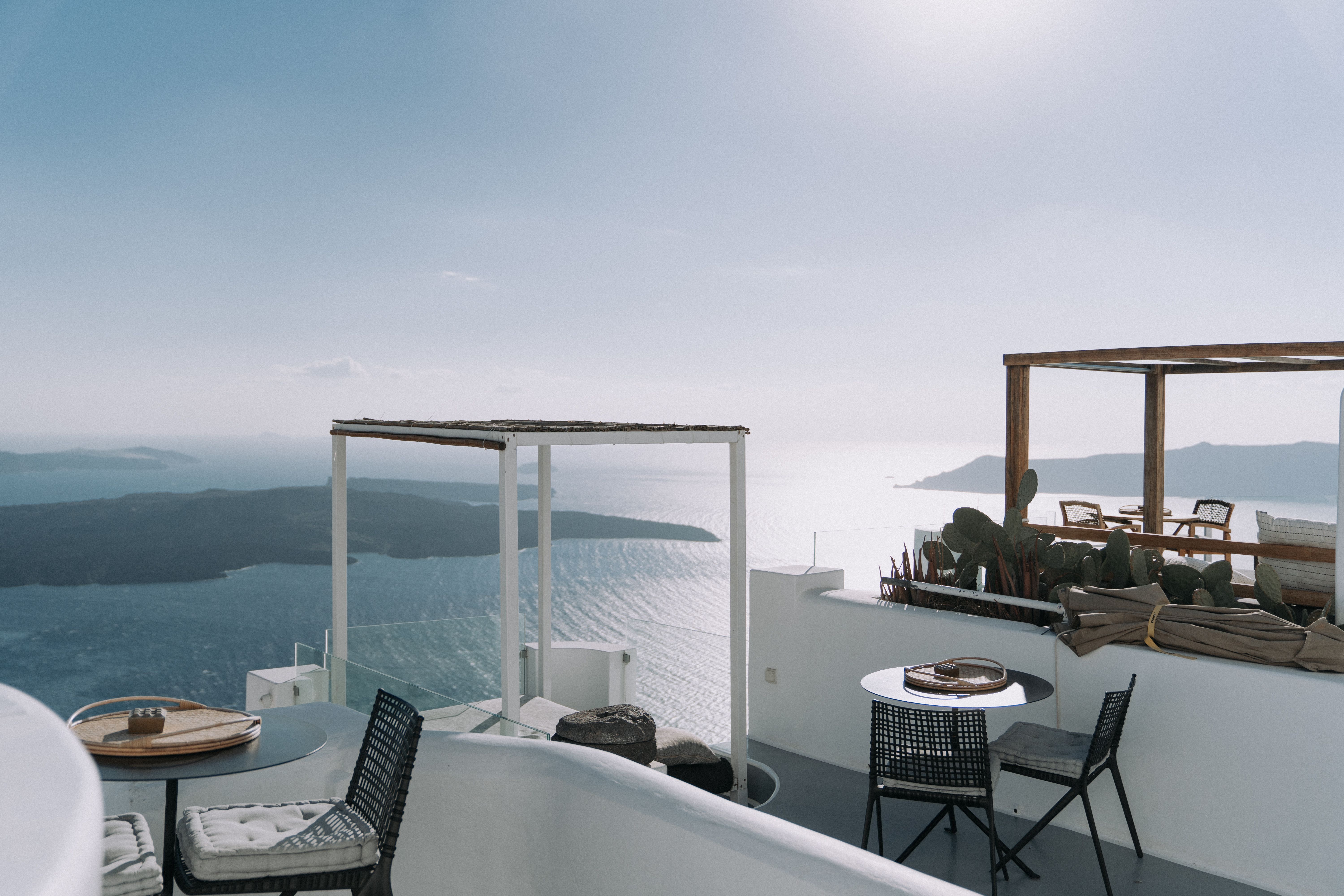
Several key global destinations stand out as prime examples of modern high-end holiday trends:
- Kyoto, Japan: Renowned for discreet machiya townhouse stays, private temple ceremonies, and serene tea rituals away from daytime crowds.
- The Dolomites, Italy: Famous for striking alpine scenery, design-forward wellness lodges, and Michelin-starred mountain dining.
- Finland’s Lakeland: A hub for low-density design lodges, lake-side sauna rituals, and immersive boreal forest escapes.
- Atacama Desert, Chile: A premier destination for high-altitude stargazing, eco-lodge architecture, and serene desert landscapes.
- Scotland’s Highlands: Celebrated for secluded historic castle buyouts, wilderness swimming, private chef dining, and single-malt whisky tastings.
K. Summary of Luxury Holiday Shifts
The following overview highlights how traditional holiday paradigms compare against modern high-end preferences:
| Aspect | Traditional Luxury Travel | Modern Luxury Holiday Trends |
| Primary Goal | Status display and opulent comfort | Personal fulfillment, health, and privacy |
| Climate Choice | Hot, crowded sun-and-sand resorts | Cool climates, crisp air, and nature escapes |
| Accommodation | Large flagship five-star hotels | Private villas, boutique estates, and intimate yachts |
| Wellness Focus | Surface-level spa treatments | Biohacking, sleep optimization, and longevity programs |
| Pacing | Fast-paced sightseeing itineraries | Slow travel, quiet space, and unhurried schedules |
| Environmental View | High resource consumption | Regenerative practices and low-impact design |
L. Conclusion
The future of luxury travel centers on intentional living, health, and genuine human connection. As high-net-worth travelers prioritize quiet moments, unpolluted nature, and tailor-made privacy over conspicuous consumption, the global hospitality industry continues to innovate. Choosing a modern luxury holiday is no longer just about taking a break from routine; it is about returning home refreshed, restored, and enriched by life-changing experiences.