
Table of contents
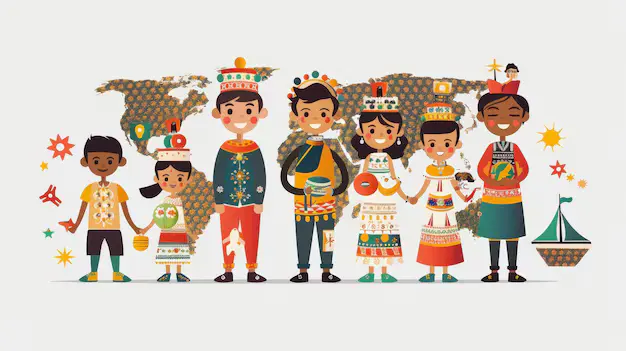
The holiday season is a universal period when communities step away from daily routines to gather, reflect, and celebrate shared values. Around the globe, cultural identity expresses itself through vibrant festivals, spiritual rituals, culinary feats, and centuries-old customs. While geographical boundaries divide nations, the human instinct to honor light, harvest, ancestral heritage, and new beginnings creates a common thread across every continent.
The Cultural Essence of Global Celebrations
Every holiday carries historical weight, shaping local heritage and strengthening interpersonal connections. Across civilizations, festive events often coincide with astronomical shifts, such as winter solstices and spring equinoxes, or significant religious and historical milestones. Understanding global holiday culture reveals how different societies handle unity, faith, and joy.
For content creators, travel enthusiasts, and cultural observers, exploring these diverse traditions provides insight into the world’s rich social tapestry. Below is a comprehensive breakdown of major international holidays categorized by region, seasonality, and cultural significance.
Major North American Traditions
North American holiday culture blends indigenous practices, European historical influences, and modern family customs.
Thanksgiving in the United States and Canada
Thanksgiving serves as an annual national holiday centered on gratitude, family reunions, and harvest bounties.
A. Historical Roots: Originating as a harvest celebration shared between early European settlers and Native American tribes, the modern iteration emphasizes gratitude, family unity, and reflection.
B. Culinary Staples: Traditional feasts typically feature roasted turkey, stuffing, cranberry sauce, mashed potatoes, and pumpkin pie.
C. Modern Customs: Festivities include watching televised parades, participating in community volunteer work, and gathering for family football games.
Day of the Dead (Día de los Muertos) in Mexico
Observed annually on November 1st and 2nd, Día de los Muertos is a joyous celebration honoring deceased loved ones rather than a somber mourning period.
A. Ofrendas (Altars): Families construct elaborate private altars adorned with marigold flowers (cempasúchil), photos, favorite foods, and personal possessions of the departed.
B. Sugar Skulls and Pan de Muerto: Traditional treats like decorated sugar skulls (calaveras) and sweet bread (pan de muerto) are prepared as ceremonial offerings and shared among family members.
C. Cemetery Vigil Customs: Relatives spend the night at grave sites, decorating tombs, playing music, and sharing lighthearted stories to guide spirits back home.
Vibrant Latin American Festive Customs
Latin American holiday traditions are renowned for their energetic music, spiritual processions, and community gatherings.
Carnival in Brazil
Carnival represents the ultimate pre-Lenten celebration, filling cities across Brazil with samba beats, elaborate costumes, and massive street parades.
A. Samba School Parades: In Rio de Janeiro and São Paulo, top samba schools compete in the Sambadrome with massive floats, complex choreography, and hand-stitched outfits.
B. Street Parties (Blocos): Neighborhood street bands lead millions of dancers through public streets, celebrating community identity and local rhythms.
C. Historical Fusion: The festival fuses Portuguese colonial traditions with West African musical heritage, creating a unique cultural spectacle.
Las Posadas Across Central America
From December 16th to 24th, communities across Mexico, Guatemala, and Central America host nine nights of devotional processions.
A. Re-enacting the Nativity: Neighborhood children and adults form a procession depicting Mary and Joseph’s search for shelter in Bethlehem.
B. Piñata Traditions: Seven-pointed star piñatas—symbolizing the seven deadly sins—are broken open to release sweets and fruit, representing the triumph of faith.
C. Festive Foods: Warm beverages like atole and champurrado are served alongside fresh tamales at nightly home visits.

European Holiday Heritage and Winter Magic
European festive customs highlight historical folklore, winter solstice gatherings, and regional spiritual heritage.
Christmas Traditions in Germany and Central Europe
Germany and neighboring countries transformed winter celebrations through cozy public markets and elaborate Christmas preparation rituals.
A. Christmas Markets (Weihnachtsmärkte): Town squares transform into outdoor markets filled with wooden stalls, hand-crafted wooden ornaments, warm roasted chestnuts, and spiced hot wine (Glühwein).
B. Advent Calendars and Wreaths: Families mark the four weeks preceding Christmas with candlelit wreaths and daily calendar treats to build anticipation.
C. Saint Nicholas Day (Nikolaustag): Children clean their boots and leave them outside their bedroom doors on the night of December 5th to find chocolates, nuts, and small gifts the following morning.
Saint Lucia’s Day in Scandinavia
On December 13th, Sweden, Norway, and Finland celebrate Saint Lucia’s Day, marking the arrival of light amidst the dark Nordic winter.
A. Candlelit Processions: Young girls dressed in white gowns with red sashes wear wreaths of glowing candles on their heads, leading choruses through schools and towns.
B. Saffron Buns (Lussekatter): Traditional sweet saffron rolls shaped into S-curves are baked and distributed to family, neighbors, and colleagues.
C. Symbol of Light: The holiday represents hope, warmth, and perseverance through the longest nights of the year.
Rich Asian Festivals and Lunar Cycles
Festivals across Asia rely heavily on lunar calendars, agricultural seasons, and spiritual traditions.
Chinese New Year (Spring Festival)
As the most significant holiday in East Asia, Chinese New Year marks the end of winter and welcomes luck, prosperity, and family reunions for the coming year.
A. Red Envelopes (Hongbao): Elders distribute bright red envelopes filled with crisp paper currency to children and unmarried young adults to pass on good fortune.
B. Lion and Dragon Dances: Street performers wear elaborate lion and dragon costumes, accompanied by loud drums and gongs to ward off evil spirits and attract wealth.
C. Reunion Dinner: Families travel home to share a massive feast featuring whole fish, dumplings, and sticky rice cakes (niangao), each carrying symbolic wishes for wealth and health.
Diwali: The Festival of Lights in India
Celebrated by Hindus, Jains, and Sikhs worldwide, Diwali signifies the victory of light over darkness and good over evil.
A. Clay Oil Lamps (Diyas): Homes, balconies, and public courtyards are lined with burning clay lamps to invite prosperity and divine blessings into the household.
B. Rangoli Floor Art: Intricate geometric patterns are drawn on entryway floors using colored powders, flower petals, and rice flour to welcome guests.
C. Gift Sharing and Sweets: Families exchange decorated boxes of traditional Indian sweets (mithai) and gifts while launching evening firework displays.
Songkran Water Festival in Thailand
Marking the traditional Thai New Year in April, Songkran is famous for transforming towns into countrywide water celebrations.
A. Water Cleansing Rituals: Gentle pouring of scented water over Buddha statues and the hands of elders symbolizes washing away bad luck and paying respect.
B. Public Water Fights: Streets fill with locals and international tourists wielding water guns and buckets to cool off during the hottest month of the year.
C. Merit-Making: Families visit local temples early in the morning to offer food to Buddhist monks and gain spiritual merit for the upcoming year.
Middle Eastern and Islamic Global Celebrations
Islamic holidays follow the hijri lunar calendar, shifting annually across the solar year and connecting global Muslim communities through shared practices.
Eid al-Fitr: The Festival of Breaking the Fast
Eid al-Fitr marks the joyous conclusion of Ramadan, the holy month of fasting, reflection, and community service.
A. Communal Prayers: Observances begin at dawn with large congregational prayers held in open fields and mosques.
B. Acts of Charity (Zakat al-Fitr): Financial donations or food staples are given to underprivileged families prior to the holiday prayer so everyone can participate in the festivities.
C. Festive Feasting: Families dress in new clothes, visit relatives, and share elaborate regional dishes alongside sweet delicacies like ma’amoul or baklava.
Eid al-Adha: The Feast of Sacrifice
Eid al-Adha honors the devotion of the Prophet Ibrahim and coincides with the completion of the annual Hajj pilgrimage in Mecca.
A. Sacrificial Offerings (Qurbani): Families who can afford it sacrifice livestock, dividing the meat into three equal portions for themselves, relatives, and those in need.
B. Global Unity: The holiday reinforces themes of charity, selflessness, and spiritual commitment across international Muslim communities.
C. Family Gathering: Multi-generational households come together for extended feasts, gift exchanges, and long-standing social visits.
African Cultural Festivals and Harvest Traditions
Across Africa, seasonal holidays, communal rites, and historical celebrations highlight community resilience and ancestor reverence.
Kwanzaa in African Diaspora Culture
Created in 1966, Kwanzaa is a week-long celebration observed from December 26th to January 1st, honoring African heritage, family values, and culture.
A. The Seven Principles (Nguzo Saba): Each day centers on a foundational value: Unity (Umoja), Self-Determination (Kujichagulia), Collective Work (Ujima), Cooperative Economics (Ujamaa), Purpose (Nia), Creativity (Kuumba), and Faith (Imani).
B. The Kinara: Families light seven candles placed in a special holder called a Kinara—three red, three green, and one central black candle.
C. Karamu Feast: On December 31st, communities gather for a cultural feast featuring traditional drumming, artistic performances, and historical storytelling.
Yam Festivals in West Africa
Celebrated by the Igbo people of Nigeria and neighboring West African ethnic groups, the New Yam Festival marks the end of the rainy season and the annual crop harvest.
A. Offering First Fruits: Freshly harvested yams are offered to ancestral deities and community spirits before public consumption begins.
B. Wrestling Competitions and Dances: Villages host masquerades, traditional wrestling matches, and energetic drum performances to showcase youth strength and community vitality.
C. Symbol of Abundance: The yam represents agricultural prosperity and economic stability for the entire region.

Unique Oceania and Pacific Island Festivities
Island cultures across Oceania celebrate with outdoor gatherings, deep connections to nature, and traditional marine rituals.
Summer Christmas in Australia and New Zealand
Because the Southern Hemisphere experiences summer during December, Australians and New Zealanders adapt traditional winter holidays to warm coastal environments.
A. Beach Barbecues: Traditional roasted meals are often replaced with outdoor seafood barbecues, featuring fresh prawns, grilled meats, and cold pavlova desserts.
B. Carols by Candlelight: Tens of thousands gather in city parks with candles and picnic blankets to sing Christmas carols under the night sky.
C. Boxing Day Sports: December 26th is celebrated with outdoor sporting events, including the famous Sydney to Hobart Yacht Race and international cricket matches.
Matariki: The Maori New Year in New Zealand
Matariki marks the rise of the Pleiades star cluster, signaling the start of the Maori New Year during winter in the Southern Hemisphere.
A. Remembering the Past: Communities gather to pay tribute to individuals who passed away during the preceding year.
B. Celebrating the Present: Families gather to share crops harvested during the season and enjoy traditional hangi meals cooked in underground ovens.
C. Looking to the Future: The holiday encourages people to set goals, plant new crops, and honor environmental sustainability.
Essential Elements That Connect Global Holidays
Despite distinct geographical details and languages, global holiday cultures share several key elements.
| Celebration Component | Primary Function | Examples Across Cultures |
| Light and Illumination | Symbolizes hope, knowledge, and triumph over hardship | Diyas (Diwali), Lanterns (Chinese New Year), Menorahs (Hanukkah), Christmas Lights |
| Culinary Feasts | Strengthens family ties and marks seasonal abundance | Turkey (Thanksgiving), Dumplings (Lunar New Year), Tamales (Las Posadas) |
| Gift Exchange | Expresses gratitude, generosity, and social goodwill | Red Envelopes (East Asia), Eidi (Eid al-Fitr), Gift Boxes (Christmas) |
| Processions & Parades | Fosters community unity and public joy | Samba Parades (Carnival), Water Fights (Songkran), Dragon Dances (Spring Festival) |
The Modern Evolution of Holiday Culture
As globalization accelerates and international travel expands, cultural holidays continue to adapt to new environments. Diaspora communities carry their heritage across borders, creating hybrid traditions that blend original customs with local lifestyles. Modern technology allows families separated by geography to participate in holiday prayers, view parade livestreams, and exchange blessings instantly.
Preserving holiday heritage while welcoming intercultural exchange ensures these traditions remain relevant for future generations. Holiday culture serves as a powerful reminder that regardless of location, the desire to connect, give thanks, and celebrate life remains a universal human experience.