
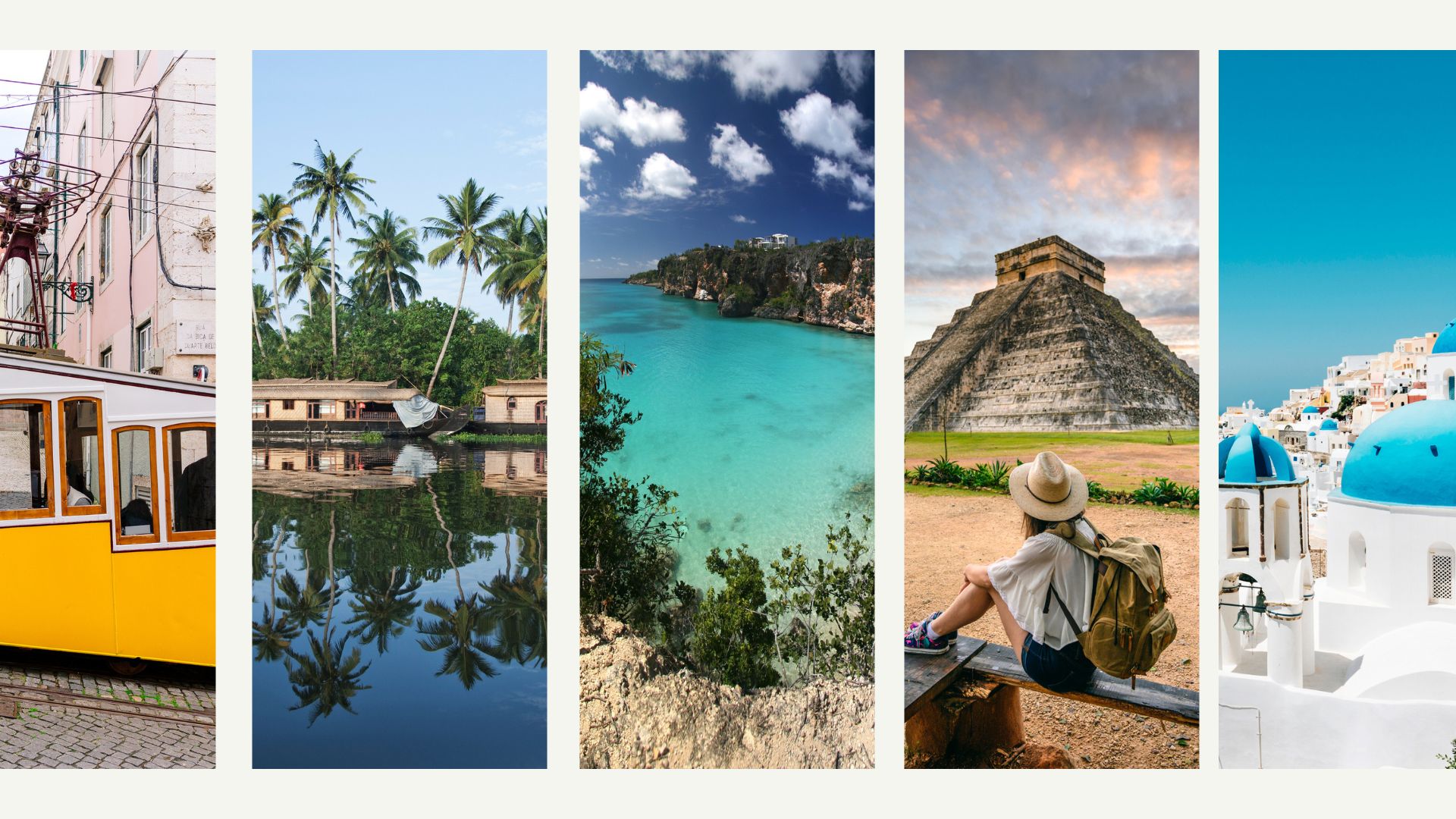
Modern travel has evolved beyond traditional sightseeing. Today’s travelers seek an extraordinary blend of futuristic architecture, cutting-edge technology, eco-conscious luxury, and vibrant urban culture. Whether you desire high-tech megacities powered by artificial intelligence or sustainable island retreats operating on zero-emission grids, contemporary travel destinations offer unparalleled experiences.
Planning a holiday today requires balancing comfort, innovation, and immersion. Destinations worldwide are redefining hospitality through smart infrastructure, hyper-connected transport systems, and revolutionary design concepts. Below is an exhaustive guide to the most captivating, state-of-the-art holiday spots reshaping global tourism.
The Shift Toward Futuristic Travel Destinations
Contemporary travel trends highlight a dramatic shift in vacation preferences. Modern travelers prioritize seamless experiences driven by technology, environmental sustainability, and exclusive architectural aesthetics.
Key Factors Driving Modern Holiday Trends
A. Integrated Smart Technology: From AI-assisted hotel check-ins to automated public transit systems, technology enhances convenience across every stage of travel.
B. Sustainable Engineering: Modern destinations focus heavily on carbon-neutral resort structures, renewable energy grids, and eco-friendly waste management systems.
C. Architectural Marvels: High-tech skylines, biophilic urban integration, and experimental eco-structures serve as primary visual attractions.
D. Hyper-Personalized Hospitality: Luxury resorts utilize data-driven services to tailor dining, wellness, and recreational activities to individual visitor preferences.
1. Tokyo, Japan: The Pinnacle of Modernity and Tradition
Tokyo remains the global standard for high-tech urban exploration. It seamlessly merges ancient cultural heritage with hyper-futuristic infrastructure.
+------------------+-------------------------------------------------------+
| Key Feature      | Highlights                                            |
+------------------+-------------------------------------------------------+
| Transport        | Maglev & Shinkansen bullet train networks             |
| Attractions      | teamLab Planets, Shibuya Sky, Akihabara tech hub      |
| Technology       | Automated hotels, AI traffic management, 5G coverage   |
| Best Season      | Spring (March–May) & Autumn (September–November)      |
+------------------+-------------------------------------------------------+
Innovative Attractions in Tokyo
A. Digital Art Museums: Interactive installations such as teamLab Planets redefine artistic expression using light projections, spatial audio, and water displays.
B. Automated Hospitality: Robot-assisted service concepts, high-speed automated ordering systems, and contactless boutique accommodations streamline guest experiences.
C. Smart District Integration: Neighborhoods like Odaiba feature futuristic retail spaces, automated transit lines, and striking waterfront designs.
Tokyo’s public transportation network operates with unmatched precision. High-speed rail networks connect visitors directly from dense urban centers to serene mountain retreats within hours.
2. Dubai, United Arab Emirates: The Oasis of Future Luxury
Dubai continues to push the boundaries of architectural and technological possibility. Known for towering skyscrapers and ambitious engineering feats, it attracts luxury travelers seeking cutting-edge experiences.
+------------------+-------------------------------------------------------+
| Key Feature      | Highlights                                            |
+------------------+-------------------------------------------------------+
| Architecture     | Burj Khalifa, Museum of the Future, Palm Jumeirah     |
| Sustainability   | Sustainable City, massive solar power integration     |
| Luxury Amenities | Underwater suites, autonomous transport testing       |
| Best Season      | November to March                                     |
+------------------+-------------------------------------------------------+
What Makes Dubai a Top Modern Spot
A. Architectural Landmarks: The Museum of the Future showcases advanced structural engineering combined with immersive exhibitions on space travel, climate design, and wellness technology.
B. Smart City Initiatives: Dubai integrates automated police services, smart glass environmental controls, and expansive solar infrastructure across residential and tourist sectors.
C. Ultra-Luxury Accommodations: High-end resorts offer smart room controls, private helipads, and custom underwater dining venues.
3. Singapore: The Ultimate Biophilic Smart City
Singapore sets the global standard for urban sustainability through its “City in Nature” vision. The city-state blends advanced urban planning with lush vertical greenery.
+------------------+-------------------------------------------------------+
| Key Feature      | Highlights                                            |
+------------------+-------------------------------------------------------+
| Landmarks        | Gardens by the Bay, Marina Bay Sands, Jewel Changi    |
| Sustainability   | Vertical gardens, rainwater harvesting, solar trees   |
| Infrastructure   | Autonomous shuttle trials, smart airport systems      |
| Best Season      | Year-round (Consistent tropical climate)             |
+------------------+-------------------------------------------------------+
Unrivaled Features of Modern Singapore
A. Gardens by the Bay: Massive Supertree structures generate solar energy, collect rainwater, and display air-cooling technology inside giant glass conservatories.
B. Jewel Changi Airport: Features the world’s tallest indoor waterfall surrounded by a multi-tiered indoor rainforest, transforming layovers into immersive eco-tours.
C. Smart Green Hotels: Modern hospitality properties utilize passive cooling designs, smart energy monitoring, and extensive vertical gardens to reduce environmental impact.
4. Seoul, South Korea: Hyper-Connected Urban Culture
Seoul is a high-speed metropolis driven by digital innovation, world-class internet connectivity, and vibrant pop culture.
+------------------+-------------------------------------------------------+
| Key Feature      | Highlights                                            |
+------------------+-------------------------------------------------------+
| Connectivity     | Ultra-fast 5G, public Wi-Fi networks, IoT integration |
| Culture          | K-Pop entertainment hubs, digital media districts     |
| Urban Design     | Seoullo 7017 Skygarden, Dongdaemun Design Plaza       |
| Best Season      | Autumn (September–November) & Spring (April–June)     |
+------------------+-------------------------------------------------------+
Modern Highlights in Seoul
A. Futuristic Architecture: The Dongdaemun Design Plaza, designed by Zaha Hadid, hosts high-tech fashion events and design exhibitions inside a seamless, curved aluminum structure.
B. Digital Media Districts: Interactive media zones offer visitors immersive virtual reality cafes, holographic performances, and smart retail experiences.
C. Smart Urban Parks: Projects like Seoullo 7017 turn former industrial overpasses into elevated, smart-monitored botanical walkways.
5. Songdo International Business District, South Korea: Built from Scratch
Located near Seoul, Songdo is an eco-smart city constructed on reclaimed land along the Yellow Sea. It represents a fully planned modern urban environment.
+------------------+-------------------------------------------------------+
| Key Feature      | Highlights                                            |
+------------------+-------------------------------------------------------+
| Efficiency       | Automated pneumatic waste collection systems          |
| Green Space      | Songdo Central Park, extensive bike-path networks     |
| Tech Standard    | High LEED certification across public buildings       |
| Best Season      | May to October                                        |
+------------------+-------------------------------------------------------+
Unique Characteristics of Songdo
A. Pneumatic Trash Systems: Trash is sucked directly from homes and public spaces through underground pipes to sorting centers, eliminating trash trucks and street bins.
B. Sensory Infrastructure: Thousands of IoT sensors monitor traffic flow, energy usage, and air quality in real-time.
C. Green Urban Layout: Over 40% of the city area is dedicated to parkland, centered around a sea-water canal inspired by New York’s Central Park.
6. Reykjavik, Iceland: Pure Nature Powered by Clean Tech
Iceland’s capital balances dramatic Arctic landscapes with modern, zero-emission geothermal technology, making it a top destination for eco-conscious adventurers.
+------------------+-------------------------------------------------------+
| Key Feature      | Highlights                                            |
+------------------+-------------------------------------------------------+
| Energy           | 100% renewable geothermal and hydroelectric power     |
| Wellness         | Blue Lagoon, Sky Lagoon geothermal spa complexes      |
| Architecture     | Harpa Concert Hall glass design                       |
| Best Season      | Winter (Northern Lights) or Summer (Midnight Sun)     |
+------------------+-------------------------------------------------------+
Modern Highlights in Reykjavik
A. Geothermal Wellness Resorts: Facilities like the Sky Lagoon utilize geothermal heating to offer oceanfront thermal baths powered entirely by clean natural energy.
B. Carbon-Neutral Tourism: Local transport, heating systems, and tour operations utilize Iceland’s volcanic energy systems to minimize environmental impact.
C. Architectural Excellence: The Harpa Concert Hall features a glass facade inspired by basalt column landscapes that responds dynamically to natural light.
7. Valencia, Spain: Europe’s Futuristic Arts Hub
Valencia has transformed from a historic Mediterranean port into a hub for modern design and architectural innovation.
+------------------+-------------------------------------------------------+
| Key Feature      | Highlights                                            |
+------------------+-------------------------------------------------------+
| Architecture     | City of Arts and Sciences (Ciutat de les Arts)        |
| Sustainability   | European Green Capital recognition                    |
| Food & Culture   | Smart gastronomy, Mediterranean farm-to-table dining  |
| Best Season      | April to June & September to October                  |
+------------------+-------------------------------------------------------+
Architectural & Cultural Highlights
A. City of Arts and Sciences: Designed by Santiago Calatrava, this futuristic complex includes an IMAX theater shaped like an eye, a science museum resembling a whale skeleton, and Europe’s largest oceanographic aquarium.
B. Pedestrian-Centric Infrastructure: Former riverbeds have been converted into vast, multi-kilometer green parks running across the city.
C. Smart Tourism Data: Valencia monitors tourism footprint and carbon emissions in real-time to preserve local urban quality.
8. Costa Rica: Modern Eco-Luxe and Biodiversity
Costa Rica leads global eco-tourism by pairing high-end hospitality with strict conservation standards.
+------------------+-------------------------------------------------------+
| Key Feature      | Highlights                                            |
+------------------+-------------------------------------------------------+
| Sustainability   | Over 98% renewable electricity grid nationwide         |
| Luxury Stays     | Off-grid luxury eco-lodges in rainforest canopies     |
| Activities       | Zip-lining, wildlife research tours, surfing          |
| Best Season      | December to April (Dry Season)                        |
+------------------+-------------------------------------------------------+
Modern Eco-Luxury Features
A. Off-Grid Eco Lodges: Modern luxury resorts operate on solar power, rainwater harvesting systems, and zero-single-use-plastic policies without sacrificing comfort.
B. Regenerative Travel: Visitors can participate in scientific reforestation and wildlife tracking projects supported by resort conservation programs.
C. Protected Biodiversity: Over 25% of Costa Rica’s landmass is preserved in national parks and reserves, setting a benchmark for environmental management.
Comparing Top Modern Holiday Destinations
Choosing the right destination depends on your preferred travel style. The comparative breakdown below highlights key travel parameters across top spots.
| Destination | Primary Appeal | Tech & Infrastructure Level | Ideal Travel Style | Eco-Sustainability Rating |
| Tokyo | Urban Tech & Culture | Very High | Fast-Paced / Cultural | High |
| Dubai | Architectural Luxury | Ultra High | Premium / Comfort | Moderate |
| Singapore | Biophilic Green City | Very High | Family / Nature-Tech | High |
| Seoul | Digital Connectivity | Very High | Youthful / Trend-Focused | High |
| Songdo | Smart City Living | Extreme | Architecture / Urban Planning | Very High |
| Reykjavik | Geothermal Eco-Travel | High | Adventure / Wellness | Extreme |
| Valencia | Design & Architecture | High | Leisure / Cultural | High |
| Costa Rica | Eco-Luxe Rainforest | Moderate | Nature / Adventure | Extreme |
How to Plan a High-Tech Holiday Today
Maximizing a vacation to a modern destination requires utilizing modern travel tools and digital platforms.
Step-by-Step Travel Optimization Guide
A. Utilize Digital eSIMs: Secure international data packages digitally before departure to maintain seamless 5G connectivity upon landing.
B. Book Smart Passes Early: Highly popular digital attractions (such as teamLab in Tokyo or the Museum of the Future in Dubai) require advance online reservations.
C. Download Local Transit Apps: Download regional transport apps (e.g., Suica/Pasmo for Japan, Grab for Singapore) to use contactless phone payment across buses, trains, and taxis.
D. Opt for Green Certified Stays: Choose accommodations with recognized sustainability credentials, such as LEED or Green Globe certifications.
E. Check Automated Visa Entry Requirements: Many smart destinations now require automated digital travel authorizations (like ETA or ETIAS) prior to boarding.
The Future of Modern Tourism
The tourism industry continues to evolve rapidly. Upcoming developments promise even greater levels of convenience, sustainability, and immersive travel experiences:
-
Zero-Emission Aviation: Testing of electric and hydrogen-fueled regional aircraft aims to reduce air travel emissions significantly.
-
Hyperloop Transit Networks: High-speed tube transit development promises to connect major city hubs in minutes rather than hours.
-
AI Concierge Integration: Personalized artificial intelligence travel assistants will handle real-time itinerary shifts, language translation, and instant bookings.
-
Smart Eco-Resorts: Regenerative tourism initiatives aim to restore local ecosystems while hosting international guests.
Modern travel combines technological innovation, sustainable engineering, and exceptional architectural design. Selecting a destination built around these principles ensures a comfortable, inspiring, and unforgettable holiday experience.