
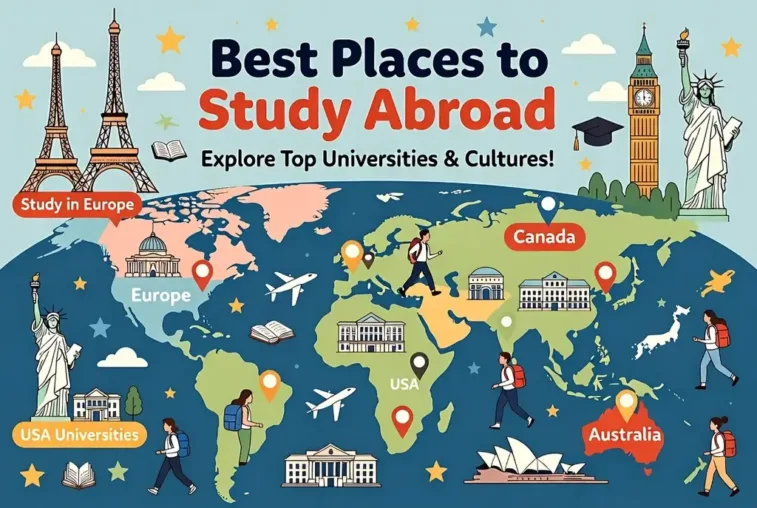
Studying overseas during school breaks offers an extraordinary opportunity to blend academic advancement with global adventure. Short-term study abroad holiday programs, typically running during winter, spring, or summer vacations, allow high school and college students to gain international exposure without committing to a full academic year or semester. These specialized itineraries combine intensive language training, hands-on internships, cultural immersion, and volunteer initiatives into compact, high-impact trips. Below is a comprehensive overview of top destinations, provider organizations, and practical strategies to maximize your holiday learning journey.
Primary Advantages of Short-Term Holiday Programs
A. Minimized Time Commitment
Short-term educational trips typically span two to six weeks. This concise duration enables enrolled students to earn transferable university credits or satisfy secondary school prerequisites without interrupting their standard academic calendars.
B. Reduced Financial Overhead
Full-year study options require significant investments in tuition, long-term housing, and extended health coverage. Holiday programs feature significantly lower overall program costs, making global education accessible to a broader demographic of learners.
C. Focused Academic and Skill Delivery
Holiday courses eliminate extraneous coursework to focus intensely on dedicated topics. Whether you are mastering foreign language fluency through daily practice or analyzing marine ecosystems directly in coastal habitats, the coursework emphasizes applied, real-world instruction.
D. Enhanced Career Readiness and Resume Building
Admissions committees and hiring managers value candidates with international adaptability. Completing a structured program overseas demonstrates self-reliance, cross-cultural communication abilities, and proactive professional development.
Top Global Destinations for Holiday Study
A. Spain
Spain remains a premier choice for summer and winter language intensives. Cities like Madrid, Barcelona, Seville, and Valencia offer direct access to centuries of European history, vibrant culinary traditions, and immersive Spanish language environments. Programs here frequently integrate historical site visits, culinary workshops, and art history lectures.
B. Japan
Japan represents an ideal destination for students interested in technology, engineering, animation, and ancient traditions. Winter programs in Tokyo or Kyoto provide exposure to cutting-edge robotics laboratories alongside traditional tea ceremonies, historical shrine tours, and seasonal festivals.
C. Costa Rica
For students focusing on environmental science, biology, and eco-tourism, Costa Rica provides unparalleled biodiversity. Holiday initiatives in regions like Monteverde or Heredia focus heavily on wildlife conservation, sustainable forestry, and field-based Spanish language instruction.
D. United Kingdom
Offering prestigious academic short courses, universities in London, Oxford, and Cambridge host winter and summer schools across law, literature, business, and political science. Students experience rigorous academic standards while exploring iconic cultural landmarks without navigating a language barrier.
E. South Korea
Seoul has rapidly transformed into a major international hub for business, digital media, technology, and language studies. Short holiday courses in South Korea allow participants to observe global commercial enterprise and modern media production while taking structured Korean language modules.

Leading Educational Organizations and Program Providers
A. AIFS Abroad (American Institute For Foreign Study)
AIFS provides well-rounded summer and winter programs across Europe, Australia, and Latin America. Their packages typically combine academic tuition, homestay or dormitory housing, comprehensive travel insurance, and guided cultural excursions.
B. CIEE (Council on International Educational Exchange)
With over seven decades of operation, CIEE delivers extensive options for both high school pupils and university scholars. Their offerings range from summer language camps in France and Taiwan to winter service-learning projects across Latin America.
C. IES Abroad
IES Abroad specializes in high-quality academic courses and international internships. Operating across dozens of global locations, IES focuses on deep community integration, offering residence halls shared with local university students or carefully vetted host families.
D. IVHQ (International Volunteer HQ)
Ideal for budget-conscious students seeking service-learning or gap-year modules during holiday periods, IVHQ manages projects in over 40 countries. Key focus areas include community development, wildlife rescue, healthcare support, and primary education teaching.
E. CEA CAPA Education Abroad
CEA CAPA delivers city-centric study programs and professional internships in popular metropolitan destinations like Barcelona, Rome, and Sydney. Their curricula emphasize urban exploration, cross-cultural workforce training, and active skill-building.
Key Academic Focus Areas
A. Language and Cultural Immersion
Intensive language training programs place students directly into environments where the target language is spoken daily. Daily classroom learning is paired with homestays, neighborhood navigation, and local community interaction to build fluency rapidly.
B. Service Learning and Environmental Volunteering
These projects combine practical community work with structured reflection. Participants contribute directly to building local infrastructure, supporting educational initiatives, or rehabilitating endangered ecosystems while gaining a grounded understanding of local social dynamics.
C. Career Internships and Applied Fieldwork
Short-term internships allow college students to gain practical experience in international business, public health, journalism, or environmental science. Working alongside international professionals offers real-world perspective and expands professional networks.
D. STEM and Environmental Research
Focused short courses in STEM fields utilize local ecosystems, laboratories, and industrial sites. Students might conduct marine biology research along coastal reefs or study advanced engineering principles at modern research institutes.
Step-by-Step Selection and Preparation Strategy
A. Define Your Core Objectives
Determine whether your main priority is earning college credit, achieving foreign language fluency, building professional skills through interning, or participating in humanitarian volunteering. Clear goals will narrow down the list of potential providers.

B. Verify Credit Transferability
If you require academic credit, consult with your current school’s academic advisor or study abroad department before enrolling. Confirm that course codes, syllabi, and credit hours align with your institution’s transfer requirements.
C. Budget and Explore Financial Aid Opportunities
Account for total expenses, including tuition, airfare, housing, meals, travel insurance, and personal emergency funds. Many major providers award merit-based and need-based scholarships specifically designed for short-term and holiday study programs.
D. Secure Travel Documents and Health Coverage
Ensure your passport remains valid for at least six months past your planned return date. Verify entry visa requirements for your destination country and confirm that your program includes comprehensive international health, accident, and evacuation insurance.
E. Engage in Pre-Departure Cultural Preparation
Research the destination’s social norms, dress standards, weather patterns, and basic phrases. Preparing yourself culturally ensures a smoother transition and allows you to engage respectfully with host communities from day one.